

മലമുകളിലെ ഡെത്ത് സോണിലെത്തുന്ന പർവതാരോഹകരെ ഭയപ്പെടുത്തുന്ന കാഴ്ച !
- Published by:Nandu Krishnan
- news18-malayalam
Last Updated:
പർവതാരോഹകർ 8,000 മീറ്റർ ഉയരത്തിൽ എത്തുമ്പോഴാണ് ഡെത്ത് സോൺ മേഖല ആരംഭിക്കുന്നത്

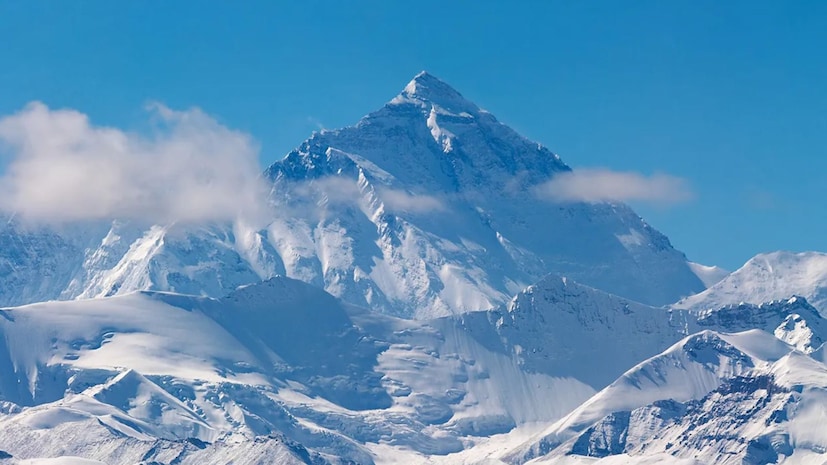
ലോകത്തിലെ ഏറ്റവും ഉയർന്ന കൊടുമുടികളിൽ പലതും ഉൾക്കൊള്ളുന്ന പർവതനിരയാണ് ഉത്തരേന്ത്യൻ സംസ്ഥാനങ്ങൾക്ക് മുകളിൽ തലയുയർത്തി നിൽക്കുന്ന ഹിമാലയ പർവതനിരകൾ. വിസ്മയിപ്പിക്കുന്ന കാഞ്ചൻജംഗയും പിരമിഡ് ആകൃതിയിലുള്ള മകാലു പർവതവുമെല്ലാം പർവതാരോഹകർക്ക് എക്കാലവും വലിയൊരു വെല്ലുവിളിയാണ് ഉയർത്തിയിട്ടുള്ളത്. എന്നാൽ എല്ലാവരുടെയും ഭാവനയെ ഒരുപോലെ ഉണർത്തുന്ന സവിശേഷമായ ഒരു കൊടുമുടി ഹിമാലയ പർവത നിരകളിലുണ്ട്.
advertisement

ലോകത്തിലെ ഏറ്റവും ഉയരം കൂടിയ കൊടുമുടിയായ മൗണ്ട് എവറസ്റ്റ് ആണ് ആ കൊടുമുടി. നേപ്പാളിൽ സഗർമാത എന്നും ടിബറ്റിൽ ചോമോലുങ്മ എന്നും അറിയപ്പെടുന്ന ഈ പർവതം 29,035 അടി ഉയരത്തിലാണ് നിലകൊള്ളുന്നത്. എന്നാൽ എവറസ്റ്റിന്റെ ചരിവുകളിൽ ഭയാനകമായ ഒരു രഹസ്യം ഒളിഞ്ഞിരിപ്പുണ്ടെന്ന കാര്യം അധികമാരും അറിയുന്നില്ല. പർവതത്തിന്റെ ഒരു പ്രത്യേക ഭാഗത്ത് മൃതദേഹങ്ങൾ ജീർണിക്കില്ല എന്ന വസ്തുത ഉൾപ്പെടെ നിരവധി സിദ്ധാന്തങ്ങൾ ഈ കൊടുമുടിയുമായി ബന്ധപ്പെട്ട് നിലനിൽക്കുന്നുണ്ട്.
advertisement

മൗണ്ട് എവറസ്റ്റിലെ "ഡെത്ത് സോൺ" അഥവാ മരണമേഖലയെക്കുറിച്ചാണ് പറഞ്ഞുവരുന്നത്. പർവതാരോഹകർ 8,000 മീറ്റർ ഉയരത്തിൽ എത്തുമ്പോഴാണ് ഈ മേഖല ആരംഭിക്കുന്നത്. അവിടെ വായു വളരെ നേർത്തതായതിനാൽ മനുഷ്യജീവൻ നിലനിർത്താൻ അത് പര്യാപ്തമല്ല. അതുമാത്രമല്ല, ഈ അതിശൈത്യമുള്ള അവസ്ഥയുമായി ശരീരം പൊരുത്തപ്പെട്ടില്ലെങ്കിൽ പർവതാരോഹകർക്ക് 'ഹൈപ്പോക്സിയ' (Hypoxia) എന്ന അവസ്ഥയുണ്ടാകാൻ സാധ്യതയുണ്ട്; ശരീരത്തിലെ കോശങ്ങൾക്ക് ആവശ്യത്തിന് ഓക്സിജൻ ലഭിക്കാത്ത അവസ്ഥയാണിത്.
advertisement

ഡെത്ത് സോണിൽ പർവതാരോഹകർക്ക് കഠിനമായ ഓക്കാനം, തലവേദന തുടങ്ങി ഹൈ ആൾട്ടിറ്റ്യൂഡ് സെറിബ്രൽ എഡിമ (High altitude cerebral edema) വരെയുള്ള ഗുരുതരമായ അപകടങ്ങൾ നേരിടേണ്ടി വരുന്നു. ഇത് മാനസിക പ്രവർത്തനങ്ങളുടെ ക്രമാനുഗതമായ തകർച്ച, ചിന്താശേഷിയിലെ തടസ്സം, ആശയക്കുഴപ്പം, മയക്കം, ബോധക്ഷയം എന്നിവയ്ക്ക് കാരണമാകുന്നു.
advertisement

അതുമാത്രമല്ല, പലപ്പോഴും മൗണ്ട് എവറസ്റ്റ് കീഴടക്കുന്നതിനിടയിൽ ആളുകൾ തങ്ങളുടെ ഊർജ്ജം പൂർണ്ണമായും ഉപയോഗിച്ചു തീർക്കുന്നു. ഇത് അവരെ അമിതമായ ക്ഷീണത്തിലേക്ക് നയിക്കുകയും താഴേക്ക് ഇറങ്ങാൻ ഒട്ടും ഊർജ്ജമില്ലാത്ത അവസ്ഥയിലാക്കുകയും ചെയ്യുന്നു. എവറസ്റ്റിലെ മരണമേഖലയിൽ പർവതാരോഹകർക്ക് ഹൈ ആൾട്ടിറ്റ്യൂഡ് പൾമണറി എഡിമ (High altitude pulmonary edema) എന്ന അവസ്ഥയും നേരിടേണ്ടി വന്നേക്കാം; ഇത് രക്തക്കുഴലുകൾ ചുരുങ്ങുന്നതിനും ശ്വാസകോശത്തിലെ വായു അറകൾക്ക് ആവശ്യാനുസരണം ഓക്സിജൻ ആഗിരണം ചെയ്യാൻ കഴിയാത്ത സാഹചര്യം ഉണ്ടാവാനും കാരണമാകുന്നു.
advertisement

ഇത് വിട്ടുമാറാത്ത ചുമ, ശ്വാസംമുട്ടൽ, വിശ്രമിക്കുമ്പോൾ പോലും അനുഭവപ്പെടുന്ന ശ്വാസതടസ്സം, ചർമ്മത്തിന്റെ നിറം മാറുന്നത് എന്നിവയ്ക്ക് കാരണമാകുന്നു. കൃത്യസമയത്ത് താഴ്ന്ന പ്രദേശങ്ങളിലേക്ക് എത്തിയില്ലെങ്കിൽ ഹൈ ആൾട്ടിറ്റ്യൂഡ് പൾമണറി എഡിമ മരണത്തിന് വരെ കാരണമായേക്കാം. ശരീരത്തിലൂടെ രക്തം പമ്പ് ചെയ്യുന്നതിനായി ഹൃദയം കൂടുതൽ കഠിനമായി പ്രവർത്തിക്കേണ്ടി വരുന്നതിനാൽ ഹൃദയത്തിന് അമിതമായ സമ്മർദ്ദം അനുഭവപ്പെടുന്നത് ഉൾപ്പെടെയുള്ള പാർശ്വഫലങ്ങളും ഇതിനുണ്ട്. കടുത്ത ശാരീരിക തളർച്ച, ശ്വസിക്കാനുള്ള ബുദ്ധിമുട്ട്, ആന്തരിക അവയവങ്ങൾക്ക് സംഭവിക്കുന്ന തകരാറുകൾ എന്നിവയും ഇതിന്റെ ഭാഗമായി ഉണ്ടാകാം.
advertisement

കഠിനമായ കാറ്റും തണുത്തുറയുന്ന താപനിലയും പെട്ടെന്നുണ്ടാകുന്ന മഞ്ഞുവീഴ്ചയും എവറസ്റ്റ് കയറ്റം ദുഷ്കരമാക്കുന്നുണ്ടെങ്കിലും, അവിടത്തെ മരണമേഖലയാണ് ഓരോ ശ്രമത്തെയും പർവതാരോഹകർക്ക് കൂടുതൽ അപകടകരമാക്കുന്നത്. ഉച്ചയ്ക്ക് രണ്ട് മണിക്ക് മുൻപായി കൊടുമുടിയുടെ മുകളിൽ എത്താൻ കഴിഞ്ഞില്ലെങ്കിൽ, ലക്ഷ്യത്തിന് എത്ര അടുത്താണെങ്കിലും തിരികെ ഇറങ്ങണം എന്ന കർശനമായ "ടു ഓ ക്ലോക്ക് റൂൾ" (2 o’clock rule) സഞ്ചാരികൾ പിന്തുടരുന്നു. ക്യാമ്പ് നാലിൽ (7,950 മീറ്റർ) നിന്ന് കൊടുമുടിയിലേക്ക് എത്തുന്നതിന് സാധാരണയായി ഏഴ് മുതൽ ഒൻപത് മണിക്കൂർ വരെ സമയം എടുക്കും, അതിനാൽ യാത്രയിലുണ്ടാകുന്ന കാലതാമസം ജീവൻ നിലനിർത്താൻ അത്യാവശ്യമായ സാധനങ്ങൾ തീർന്നുപോകാൻ കാരണമായേക്കാം.
advertisement

മൗണ്ട് എവറസ്റ്റിനെക്കുറിച്ചുള്ള മറ്റൊരു ഞെട്ടിപ്പിക്കുന്ന വസ്തുത, പർവതാരോഹകർ അവിടെ വെച്ച് മരണപ്പെട്ടാൽ അവരുടെ മൃതദേഹങ്ങൾ ആ മലനിരകളിൽ തന്നെ ഉപേക്ഷിക്കപ്പെടുന്നു എന്നതാണ്; കാരണം മൃതദേഹങ്ങൾ തിരികെ കൊണ്ടുവരാൻ ശ്രമിക്കുന്നത് മറ്റ് പർവതാരോഹകരുടെ ജീവൻ കൂടി അപകടത്തിലാക്കും. അതുമാത്രമല്ല, ആ മേഖലയിലെ ഓക്സിജന്റെ കുറവ് മൃതദേഹങ്ങൾ ജീർണ്ണിക്കുന്നത് തടയുന്നു, ഇതിനർത്ഥം മഞ്ഞുമൂടിയ ആ പ്രദേശത്ത് മൃതദേഹങ്ങൾ ദീർഘകാലം മാറ്റമില്ലാതെ സംരക്ഷിക്കപ്പെടുന്നു എന്നാണ്.
advertisement

മൗണ്ട് എവറസ്റ്റ് കീഴടക്കുക എന്നത് ഏറെ ചിലവേറിയ കാര്യമാണ്; ഏഴ് പേരടങ്ങുന്ന ഒരു സംഘത്തിന് അനുമതി പത്രം ലഭിക്കുന്നതിന് മാത്രം 40,000 ഡോളർ മുതൽ 1,00,000 ഡോളറിലധികം വരെ ചിലവ് വരാം. ഹൃദയസംബന്ധമായ അസുഖങ്ങൾ, ശ്വാസകോശ രോഗങ്ങൾ, ഉയർന്ന രക്തസമ്മർദ്ദം, സിക്കിൾ സെൽ അനീമിയ, സ്ലീപ്പ് അപ്നിയ പോലുള്ള ഉറക്കവുമായി ബന്ധപ്പെട്ട തകരാറുകൾ എന്നിവയുള്ളവർ ഉയർന്ന പ്രദേശങ്ങളിൽ കയറുമ്പോൾ ആരോഗ്യപ്രശ്നങ്ങൾക്ക് ഇരയാകാൻ സാധ്യതയുള്ളതിനാൽ ഇങ്ങനെയുള്ളവർ സാധാരണയായി ഇത്തരം യാത്രകൾ ഒഴിവാക്കാൻ ശ്രദ്ധിക്കേണ്ടതാണ്.
advertisement

എഡ്മണ്ട് ഹിലാരിയും ടെൻസിങ് നോർഗേയും ആദ്യമായി കീഴടക്കി പതിറ്റാണ്ടുകൾ പിന്നിട്ടിട്ടും മൗണ്ട് എവറസ്റ്റ് ഇന്നും കയറാൻ ഏറെ പ്രയാസമേറിയ ഒരു കൊടുമുടിയായി തുടരുന്നു. പർവതാരോഹണങ്ങൾ എത്രത്തോളം അപകടകരമാകാം എന്നതിന്റെ തെളിവാണ് ഇവിടത്തെ മരണമേഖല. പർവതത്തിലെ കഠിനമായ സാഹചര്യങ്ങളെ അതിജീവിക്കാൻ ആവശ്യമായ ശാരീരികക്ഷമത കൈവരിക്കുന്നതിനായി പർവതാരോഹകർ കൃത്യമായ മുൻകരുതലുകൾ എടുക്കേണ്ടതുണ്ട്.